
The 2026 World Cup is an underdogs’ dream
The 2026 World Cup is an underdogs’ dream

Udostępnij

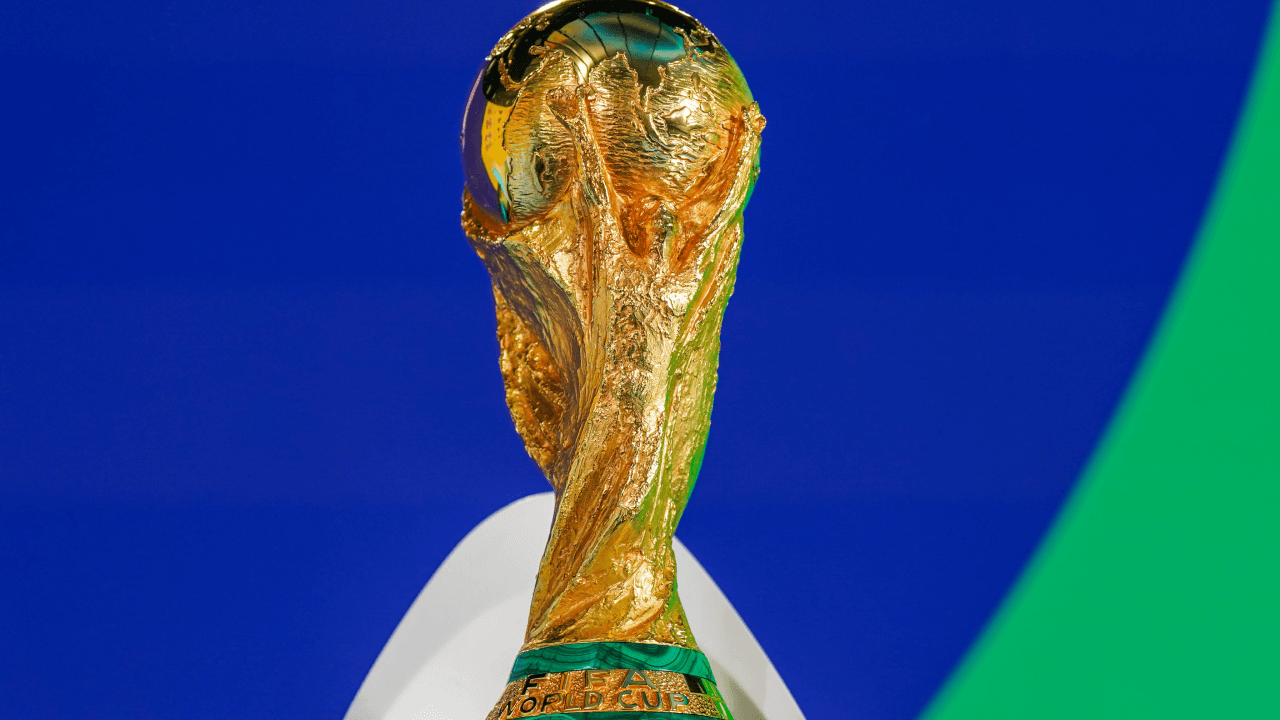
Friday’s draw in Washington DC will highlight how the 2026 World Cup could belong to the underdogs in the expanded format.


By Graham Ruthven


World Cup draws are long drawn out affairs. That will certainly be the case on Friday when more teams than ever before – 48, to be precise – are pulled out of the hat. The 2026 World Cup’s expanded format has its critics, but it will also contribute to the spinning of numerous compelling storylines in the USA, Canada and Mexico next summer.

At the Kennedy Center on Friday, delegates from several World Cup debutants will gather. Cape Verde, Curaçao, Jordan and Uzbekistan are preparing for their bow on international football’s biggest stage. The group stage draw will be their first taste of the sparkle and spectacle that will characterise the tournament itself.

All these debutants have earned their place at the 2026 World Cup. Cape Verde, for example, came through a qualifying group that included African football heavyweights Cameroon. The Blue Sharks lost one of their 10 qualifiers and are well-placed to carry that form into next summer.

Curaçao’s qualification was the culmination of a process that saw the Caribbean island use its colonial links to the Netherlands to naturalise several Dutch-born players and attract Dick Advocaat as their manager. The Blue Family have the talent to hold their own at the World Cup when it kicks off.

Uzbekistan’s rise hasn’t occurred by chance. The country has placed a big focus on youth development in recent years, winning the Under-17 Asian Cup in April. Uzbekistan also won the Under-20 Asian Cup in 2023 and qualified for the Olympics for the first time in their history last year.

Jordan also shouldn’t be underestimated. The Chivalrous Ones came through an extremely competitive qualification group that included South Korea, Iraq and Oman. The World Cup will represent a big step up, but Jordan have no reason to fear anything that will come their way next summer.

It’s not just the debutants who could make an impact at next summer’s tournament. Norway have qualified for their first World Cup since 1998 and with Erling Haaland and Martin Ødegaard in their ranks could be set for a deep run. They are already being widely tipped as dark horses.

Scotland also ended their 28-year World Cup drought. Steve Clarke’s team failed to make a meaningful impression at Euro 2024, but have the experience of Andy Robertson, Scott McTominay, John McGinn and others to draw upon. The Tartan Army will have a good time no matter what, but their team could make the knockout rounds.

Austria make up the final member of the European contingent set to end their 28-year World Cup wait next summer. Ralf Rangnick’s team have unfinished business after an early exit at Euro 2024 and now have the body of work behind them to suggest a run into the knockout rounds could be on the cards.

For the three co-hosts, history on home soil beckons. Canada boast their most talented group of players in a generation, possibly ever. While Jesse Marsch’s team have lost some momentum since making a run to the semi-finals of the 2024 Copa America, their high-energy, hard-running style of play will make them dogged opponents.

Mexico are struggling for form, but have one of the most exciting young players in the world. Gilberto Mora could use the 2026 World Cup to announce himself to a global audience with some of Europe’s biggest and richest clubs already reportedly tracking the 17-year-old who will be a key figure for El Tri next summer.
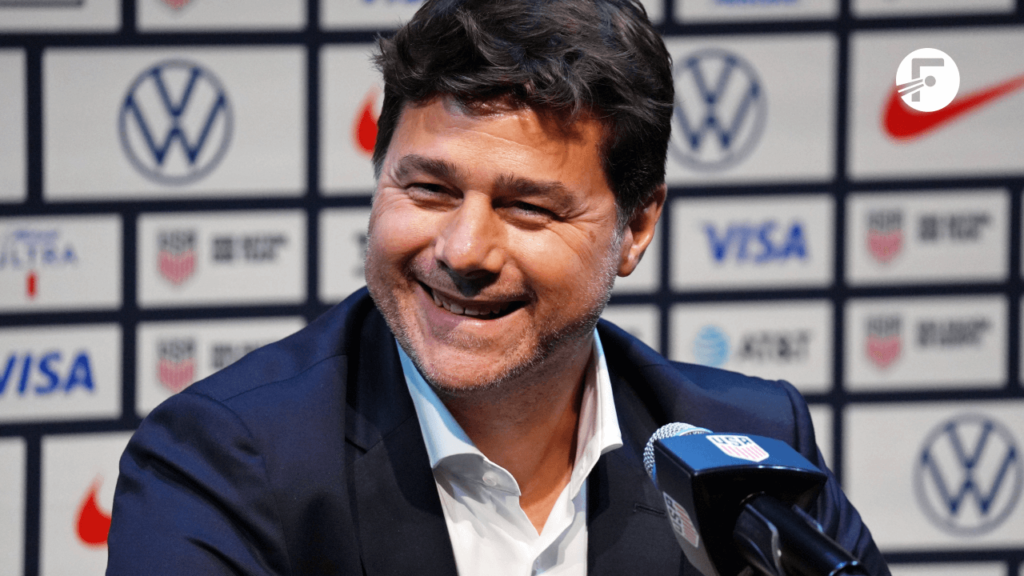
Then there’s Mauricio Pochettino’s USA. While the former Chelsea, Paris Saint-Germain and Tottenham Hotspur boss initially struggled to find an approach that worked for his new team, he has since moulded the US men’s national team in his own image. Optimism is growing that Pochettino’s side could have a successful World Cup.

Of course, next summer’s tournament will be played against a toxic political background. Two of the countries that have qualified for the 2026 World Cup are currently subject to travel bans in the USA. Iran is one of them and their national association is boycotting Friday’s draw due to the limited number of visas for their delegation.

Gianni Infantino’s cosy relationship with Donald Trump in the build-up to the 2026 World Cup is alienating to many, with the US president set to be awarded a newly created ‘peace prize’ during Friday’s group stage draw seen as an even more polarising.

Despite all this, though, the World Cup remains the purest form of football. It is the game at its glorious best and next summer’s tournament will be a showcase of everything that makes football great. One of the usual heavyweights will almost certainly lift the trophy, but the 2026 World Cup could be defined by the little guys.


(Cover image from IMAGO)


You can follow every the World Cup draw live on FotMob thanks to our friends at SI – with in-depth stat coverage, including xG, shot maps, and player ratings. Download the free app here.

The 2026 World Cup is an underdogs’ dream

Friday’s draw in Washington DC will highlight how the 2026 World Cup could belong to the underdogs in the expanded format.


By Graham Ruthven


World Cup draws are long drawn out affairs. That will certainly be the case on Friday when more teams than ever before – 48, to be precise – are pulled out of the hat. The 2026 World Cup’s expanded format has its critics, but it will also contribute to the spinning of numerous compelling storylines in the USA, Canada and Mexico next summer.

At the Kennedy Center on Friday, delegates from several World Cup debutants will gather. Cape Verde, Curaçao, Jordan and Uzbekistan are preparing for their bow on international football’s biggest stage. The group stage draw will be their first taste of the sparkle and spectacle that will characterise the tournament itself.

All these debutants have earned their place at the 2026 World Cup. Cape Verde, for example, came through a qualifying group that included African football heavyweights Cameroon. The Blue Sharks lost one of their 10 qualifiers and are well-placed to carry that form into next summer.

Curaçao’s qualification was the culmination of a process that saw the Caribbean island use its colonial links to the Netherlands to naturalise several Dutch-born players and attract Dick Advocaat as their manager. The Blue Family have the talent to hold their own at the World Cup when it kicks off.

Uzbekistan’s rise hasn’t occurred by chance. The country has placed a big focus on youth development in recent years, winning the Under-17 Asian Cup in April. Uzbekistan also won the Under-20 Asian Cup in 2023 and qualified for the Olympics for the first time in their history last year.

Jordan also shouldn’t be underestimated. The Chivalrous Ones came through an extremely competitive qualification group that included South Korea, Iraq and Oman. The World Cup will represent a big step up, but Jordan have no reason to fear anything that will come their way next summer.

It’s not just the debutants who could make an impact at next summer’s tournament. Norway have qualified for their first World Cup since 1998 and with Erling Haaland and Martin Ødegaard in their ranks could be set for a deep run. They are already being widely tipped as dark horses.

Scotland also ended their 28-year World Cup drought. Steve Clarke’s team failed to make a meaningful impression at Euro 2024, but have the experience of Andy Robertson, Scott McTominay, John McGinn and others to draw upon. The Tartan Army will have a good time no matter what, but their team could make the knockout rounds.

Austria make up the final member of the European contingent set to end their 28-year World Cup wait next summer. Ralf Rangnick’s team have unfinished business after an early exit at Euro 2024 and now have the body of work behind them to suggest a run into the knockout rounds could be on the cards.

For the three co-hosts, history on home soil beckons. Canada boast their most talented group of players in a generation, possibly ever. While Jesse Marsch’s team have lost some momentum since making a run to the semi-finals of the 2024 Copa America, their high-energy, hard-running style of play will make them dogged opponents.

Mexico are struggling for form, but have one of the most exciting young players in the world. Gilberto Mora could use the 2026 World Cup to announce himself to a global audience with some of Europe’s biggest and richest clubs already reportedly tracking the 17-year-old who will be a key figure for El Tri next summer.

Then there’s Mauricio Pochettino’s USA. While the former Chelsea, Paris Saint-Germain and Tottenham Hotspur boss initially struggled to find an approach that worked for his new team, he has since moulded the US men’s national team in his own image. Optimism is growing that Pochettino’s side could have a successful World Cup.

Of course, next summer’s tournament will be played against a toxic political background. Two of the countries that have qualified for the 2026 World Cup are currently subject to travel bans in the USA. Iran is one of them and their national association is boycotting Friday’s draw due to the limited number of visas for their delegation.

Gianni Infantino’s cosy relationship with Donald Trump in the build-up to the 2026 World Cup is alienating to many, with the US president set to be awarded a newly created ‘peace prize’ during Friday’s group stage draw seen as an even more polarising.

Despite all this, though, the World Cup remains the purest form of football. It is the game at its glorious best and next summer’s tournament will be a showcase of everything that makes football great. One of the usual heavyweights will almost certainly lift the trophy, but the 2026 World Cup could be defined by the little guys.


(Cover image from IMAGO)


You can follow every the World Cup draw live on FotMob thanks to our friends at SI – with in-depth stat coverage, including xG, shot maps, and player ratings. Download the free app here.