
AFCON 2025 Preview: Favourites, Contenders and Players to Watch
AFCON 2025 Preview: Favourites, Contenders and Players to Watch

Dela

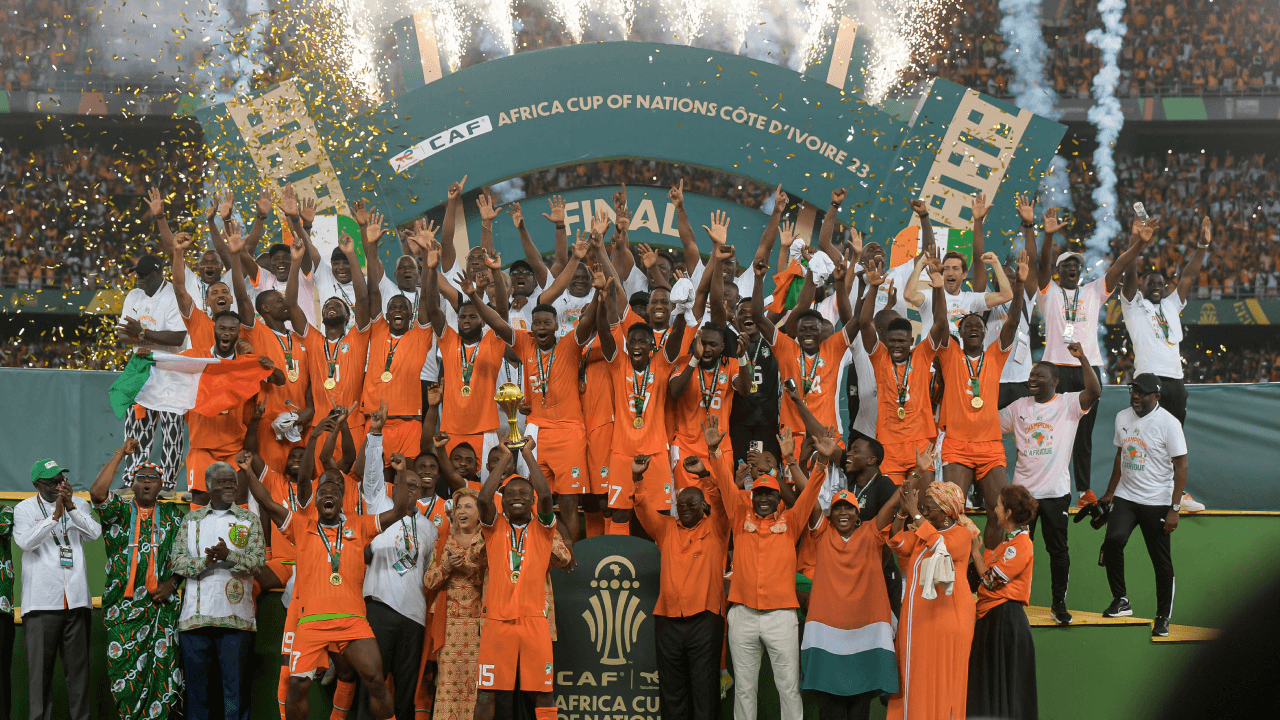
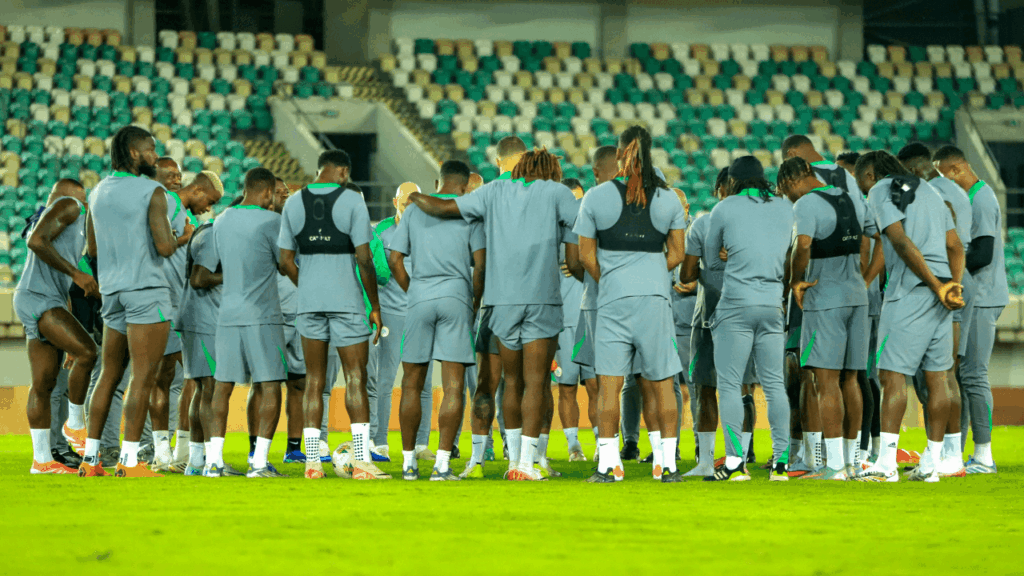
The 35th edition of the Africa Cup of Nations kicks off in Morocco this Sunday, and we will be covering it with regular previews, round-ups and features. First up, a group-by-group look at all 24 contestants, including defending champions Ivory Coast (pictured).


By Neel Shelat


Group A: 🇲🇦 🇲🇱 🇿🇲 🇰🇲

Morocco are hosting the Africa Cup of Nations for the first time since 1988, having withdrawn from holding the 2015 edition of the tournament due to the Ebola pandemic. As they prepare to become the second African nation to host the World Cup in 2030, they have heavily invested not only in world-class infrastructure but also in building a top-class team.

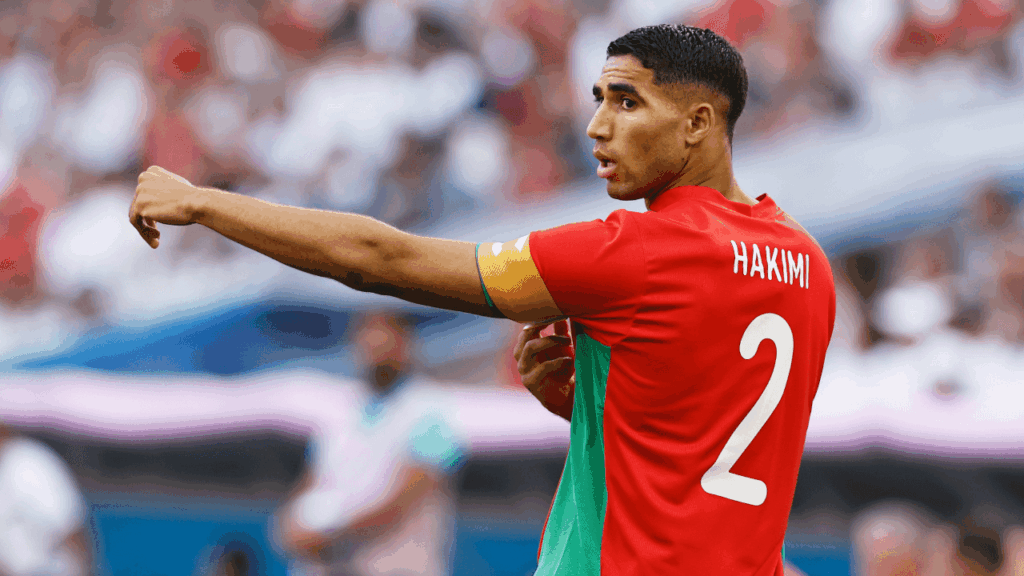
Indeed, they are the highest-ranked nation going into the tournament and are widely regarded as the clear favourites. Head coach Walid Regragui has quite an impressive track record in charge of the team, but the one slight blot on his copybook is the Round of 16 elimination from the last AFCON. With a squad full of elite-level regulars, he will be keen to change that on home soil and win Morocco’s second continental crown.
The Atlas Lions’ toughest group opponents look to be Mali. They will be coached by Belgian journeyman Tom Saintfelt, who has plied his trade at clubs in nine countries besides taking charge of 13 different national teams. He has a reputation for overachieving with underdogs at AFCON, so the Eagles will hope that he can get the best out of their blooming young talents en route to a knockout run.

Zambia topped their AFCON qualifying group ahead of the defending champions Ivory Coast, but they parted ways with ex-Chelsea manager Avram Grant just a couple of months prior to the tournament following a disappointing World Cup qualification campaign. His former assistant Moses Sichone has been promoted to the head coach role, so all eyes will be on him to see whether he can lead the Copper Bullets to the knockouts for the first time since their unforgettable title-winning campaign in 2012.

Comoros are among the lowest-ranked teams at this AFCON as they are making just their second appearance on Africa’s biggest stage. Their population of well under a million makes them the smallest country in this edition of the tournament. The midfield duo of Youssouf M’Changama and Zaydou Youssouf, as well as winger Faïz Selemani, are set to be key figures in Stefano Cusin’s side.

Group B: 🇪🇬 🇿🇦 🇦🇴 🇿🇼

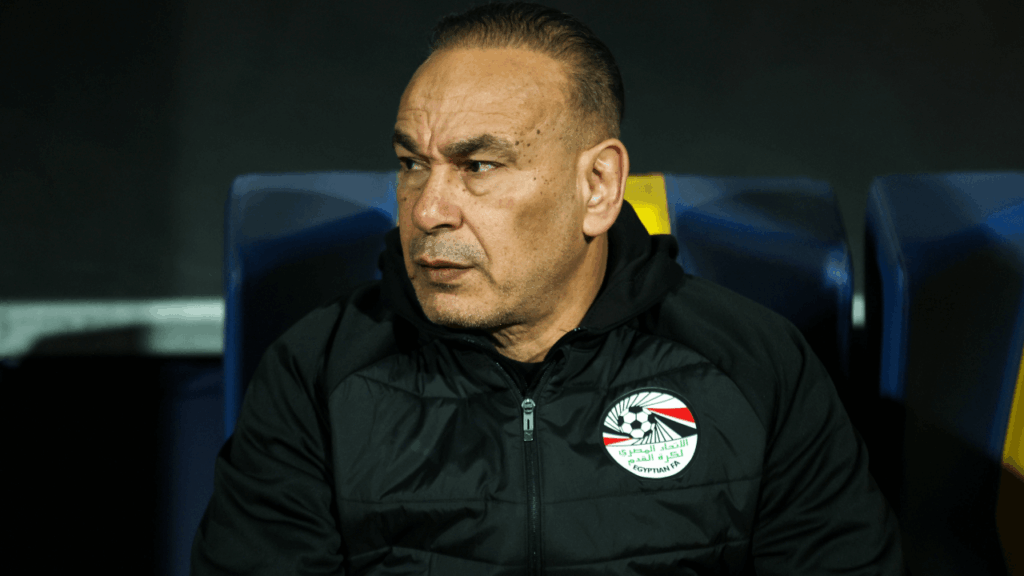
Egypt are the most successful team in AFCON history with seven titles to their name, but they have not added to their tally since 2010. They will equal their longest-ever title drought should they fail to win this time around. All eyes will naturally be on Mohammed Salah as he still seeks his first international title, but Omar Marmoush and Mostafa Mohamed are his only fellow European-based teammates. Head coach Hossam Hassan will be counting on the experience of the squad to get them out of this tough group and over the line against more talented teams in the knockouts.
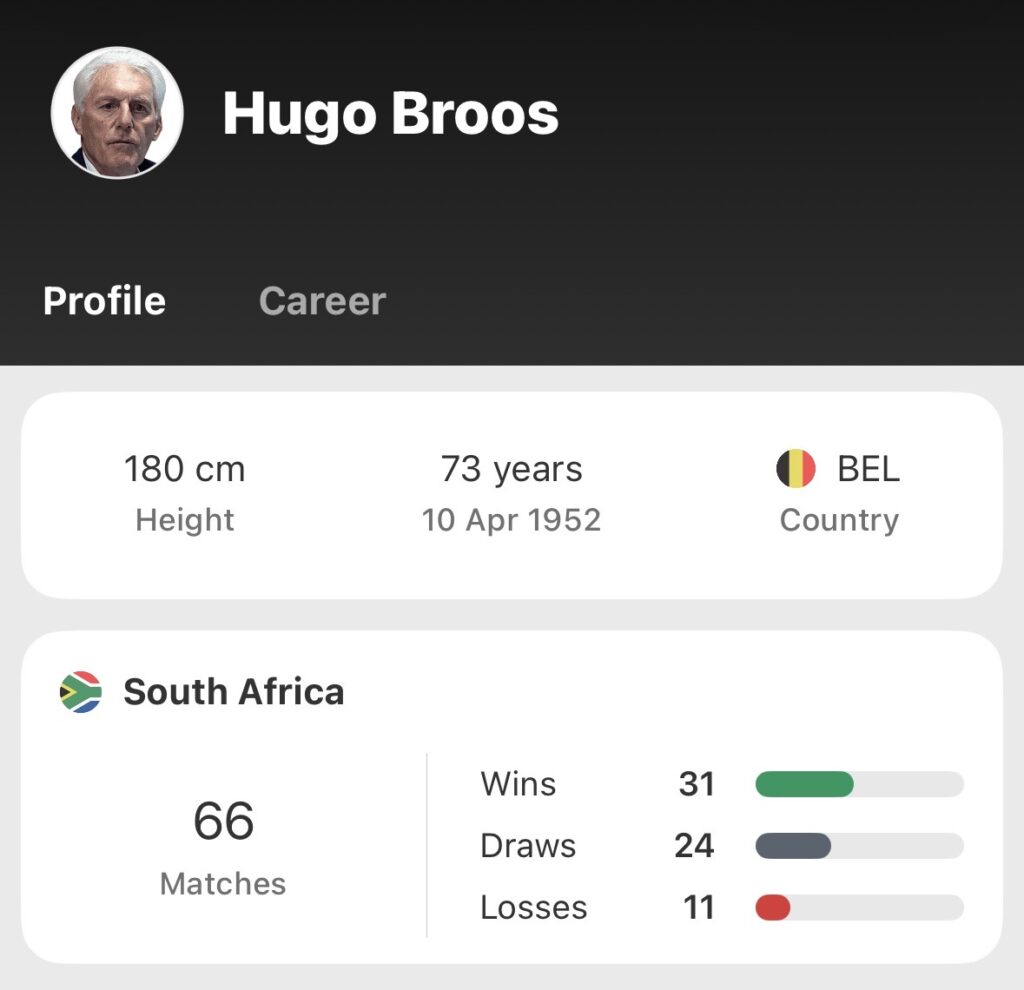
South Africa’s squad composition is somewhat similar as they have six European-based players and two coming from Saudi Arabia, while the rest are domestically based. They are known for their tactical intelligence under veteran coach Hugo Broos, who led them to match their best performance since the turn of the century with third place last time out. Bafana Bafana will be aiming to go the distance once again, and certainly will be a tough opponent for any side.
Angola have been consistent overachievers in recent years, but they could not make it count in the recently-concluded World Cup qualifying as they finished fourth in their group. They will be keen to bounce back at AFCON, having put together their best-ever campaign in a run to the quarter-finals last time. Their squad retains a good mix of experience and youth, but the big change is that Patrice Beaumelle has succeeded the long-serving Pedro Gonçalves in the dugout.

Zimbabwe have never made it to the AFCON knockouts in their five previous appearances. They will need something special to change that after failing to win any of their 10 World Cup qualifying matches and appointing new head coach Mario Marinică just over a month before this tournament. Their squad announcement featured a noteworthy omission in Wolverhampton Wanderers midfielder Marshall Munetsi, who himself claims to be recovering well from a calf injury.

Group C: 🇳🇬 🇹🇳 🇺🇬 🇹🇿

Last edition’s runners-up Nigeria are looking to make amends not only for that defeat to the Ivory Coast but also for their failure to qualify for the upcoming World Cup. As ever, they are spoilt for choice in attack with the likes of Victor Osimhen and Ademola Lookman in the squad while Tolu Arokodare and Victor Boniface have been left out, but finding the right balance in midfield remains their biggest challenge.
Sami Trabelsi’s Tunisia are a team that absolutely no one looks forward to facing due to their stodgy yet successful style of play. The Eagles of Carthage kept clean sheets in each of their 10 games in the recent World Cup qualifying campaign. Their lack of an attacking edge led them to crash out of the group stage in the last AFCON, though, so they will hope to see some decisive contributions from their forwards.

Uganda put together a respectable World Cup qualifying campaign to finish second in their group behind Algeria. Paul Put has called up players from all over the world, including the USL Championship in America, Thailand, Tanzania, Rwanda, Romania, Czechia and Burton Albion from the English third tier, forming a very diverse squad.

Tanzania have qualified for their third AFCON in the last four editions and are guaranteed a spot in the next one as co-hosts alongside Kenya and Uganda. They are yet to win a game in the group stage, though, so changing that will be new head coach Miguel Gamondi’s main priority. The Argentine tactician is vastly experienced having spent the last 25 years on the continent, but this is the first time he will lead a national team.

Group D: 🇸🇳 🇨🇩 🇧🇯 🇧🇼

2021 AFCON champions Senegal bowed out of the Round of 16 last time around as they lost to the eventual champions on penalties. Pape Thiaw succeeded in his first major task after taking over from Aliou Cissé as he led the Lions of Teranga to an unbeaten World Cup qualification campaign, but this will be his first major tournament in charge of the main team. Senegal are unbeaten in their last 23 competitive matches, and they have a decent chance of preserving that streak through this competition thanks to their excellently well-rounded squad.

DR Congo put up a good fight against Senegal in the same World Cup qualifying group and eventually did enough to advance to the inter-confederation play-offs ahead of Cameroon and Nigeria, so they are not to be underestimated. They got as far as the semi-finals last year despite only winning one game, and might well have to repeat the trick this time around in the absence of key forward Yoane Wissa.

After failing to qualify for the last two editions, Benin are back for their fourth AFCON appearance. Despite getting as far as the quarter-finals in 2019, they still have not recorded a win in the competition. Gernot Rohr’s side will have a handy chance of changing that this time around. Aiyegun Tosin, ex-Huddersfield Town striker Steve Mounié and St. Pauli’s Andreas Hountondji will be key to their hopes.

Botswana will be the lowest-ranked team in this edition of the AFCON as they make their second appearance, having only previously featured in 2012. 1-0 wins over World-Cup-bound Cape Verde brought them to the tournament, but their almost entirely domestically based squad now have a massive challenge on their hands.

Group E: 🇩🇿 🇧🇫 🇬🇶 🇸🇩

As ever, Algeria will aspire to be right up there with the main title contenders at AFCON, but their initial focus has to be on getting past the group stage, having crashed out in each of the last two occasions. Vladimir Petković was appointed head coach after the last exit, and he has enjoyed a successful tenure so far with comfortable qualification campaigns. The real challenge for him begins now, though, as he will have to find a solution to mask the Fennecs’ relatively weaker defence and get the best out of the vast attacking talent in the squad.

Burkina Faso have advanced to the knockouts in four of their last five AFCON appearances, getting as far as the semi-finals on three occasions since 2013. Brama Traoré has regularly been involved in and around the national team setup over the years as an assistant and youth team coach, but this will be his first time leading the side. With more experienced figures like Bertrand Traoré, Edmond Tapsoba and Hervé Koffi joined by emerging youngsters such as Dango Ouattara and Cyriaque Irié, the Burkinabé sqaud will be keen to upset the odds once again.

Equatorial Guinea sprung one of the biggest surprises at the previous AFCON as they topped Group A ahead of would-be finalists Nigeria and the Ivory Coast. Incredibly, they have advanced to the knockouts in each of their previous four appearances at the competition. They have made matters more challenging for themselves this time by initially dismissing and eventually reinstating head coach Juan Michá over the last couple of months, as the federation and players are embroiled in a dispute over finances and general support. Even so, they have enough quality and experience in their squad to put up a good fight once again.

Sudan put together an incredible effort to qualify for their second AFCON in the last decade and just their fourth since 1976. They finished second in their group after picking up four points against Ghana, who shockingly finished last. Worse yet for the Black Stars, ex-coach Kwesi Appiah was the man leading the Sudanese effort.
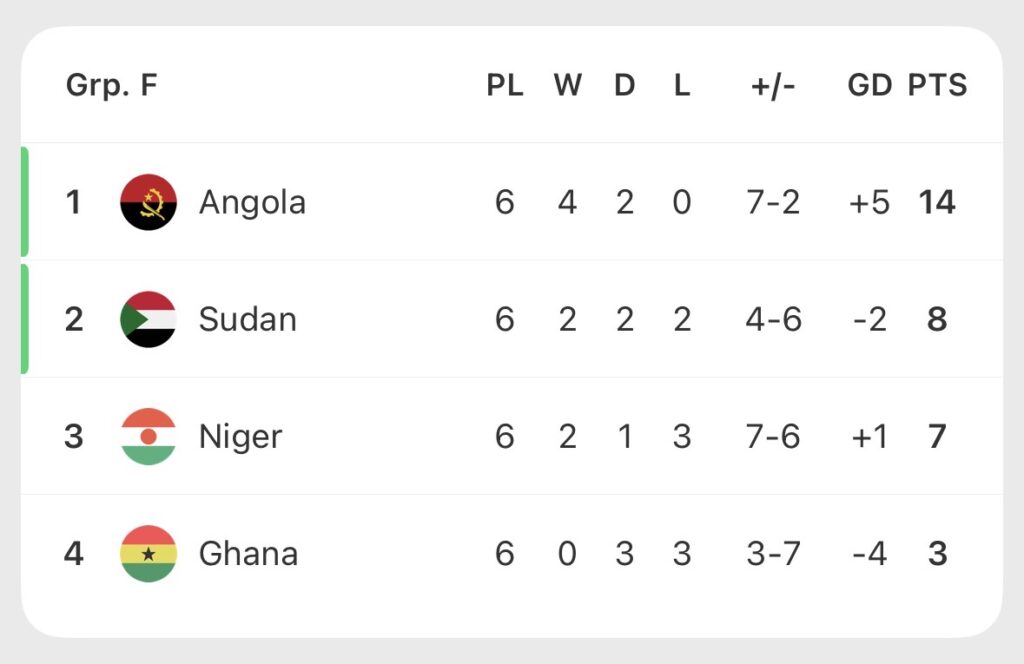
Sudan’s successful qualification campaign

The Falcons of Jediane are achieving all of this while a terrible civil war devastates their homeland, so their games will be about much more than just the football on the pitch as they are one of the few remaining unifying forces in Sudan.

Group F: 🇨🇮 🇨🇲 🇬🇦 🇲🇿

The Ivory Coast are the defending AFCON champions after they won their third title at the culmination of one of the most incredible campaigns in the competition’s history, spanning two group stage defeats, a mid-tournament coaching change and three turnaround victories in the knockouts. Emerse Faé was naturally rewarded with a long-term contract thereafter, and he will hope to see out the full tournament this time around.
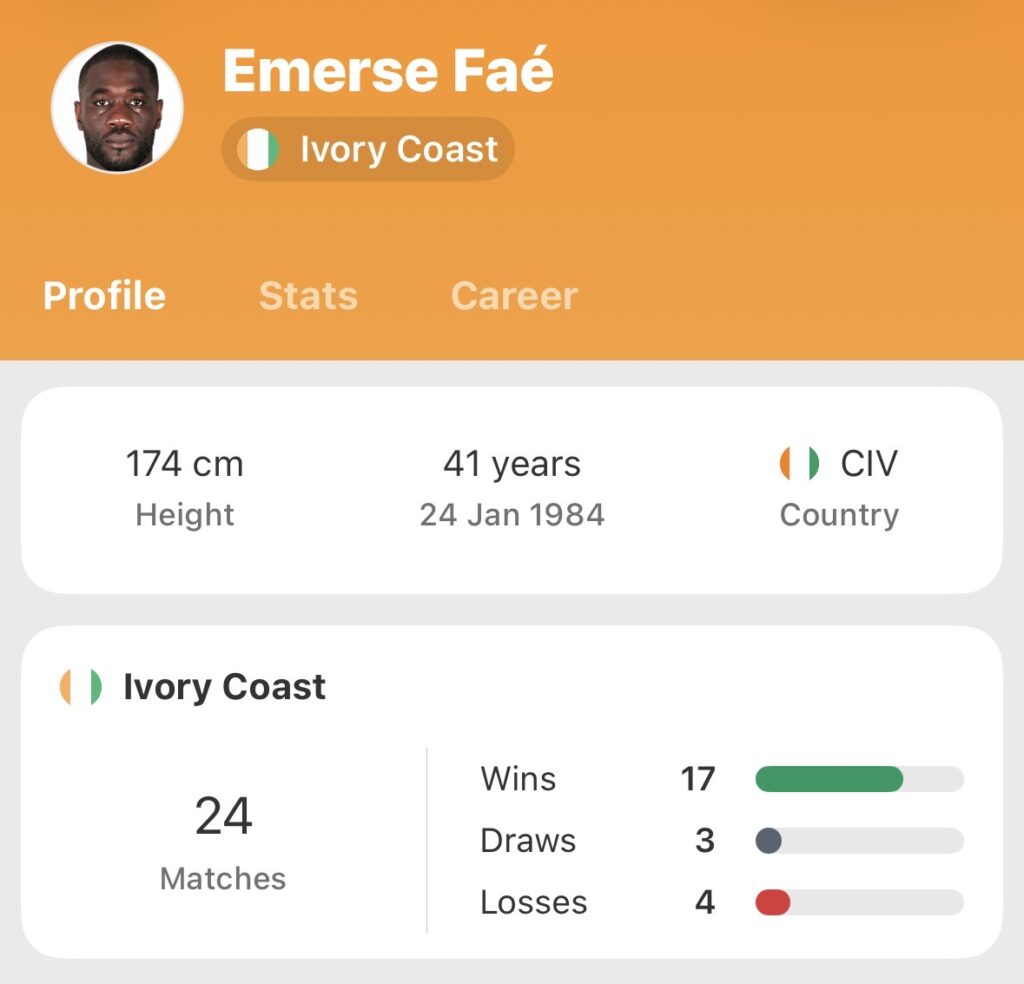
The 41-year-old coach has made some bold calls with his squad selection, leaving ex-Arsenal forward Nicolas Pépé and Sunderland’s Simon Adingra out in favour of teenagers Yan Diomande and Bazoumana Touré. The Elephants have a good deal of quality and experience across the rest of the squad, so they are sure to put up a sturdy title defence.

Cameroon are a real AFCON powerhouse having lifted the trophy five times, but they are currently embroiled in internal turmoil. The Indomitable Lions put out two separate squads for the tournament, one on behalf of the football association and their newly-appointed head coach David Pagou, and the other from Marc Brys, who maintains that his contract as the team’s head coach remains active.

The issue stems from a conflict between Brys and FA President Samuel Eto’o, whom the former has accused of being narcissistic. In fact, reports have claimed that some of the controversial decisions in the FA’s squad, such as the exclusion of Vincent Aboubakar, can be put down to Eto’o’s desire to preserve his status as the country’s all-time top-scorer. At the time of writing, it seems that the ex-Barcelona striker has prevailed as Pagou is currently leading the team in Morocco.

After missing out on the last edition of AFCON, Gabon will be keen to come back with a bang by capitalising on Cameroon’s chaos. Thierry Mouyouma’s side will be led by Pierre-Emerick Aubameyang in what could well be his last major international tournament, while other key figures such as Denis Bouanga and Mario Lemina are also well past the age of 30. So, this is likely the last opportunity for this generation of Gabonese players to put together a memorable campaign.

Mozambique are among the teams seeking their first win at AFCON as they gear up for their sixth appearance at the tournament. Chiquinho Conde’s side did manage to pick up two points last time around, matching their combined tally from all four previous campaigns. Their squad has remained largely unchanged, so 42-year-old Domingues will become the oldest outfielder in AFCON history if he takes to the field.


(Images via IMAGO)


You can follow the Africa Cup of Nations on FotMob – with deep stats and players ratings. Download the free app here.

AFCON 2025 Preview: Favourites, Contenders and Players to Watch

The 35th edition of the Africa Cup of Nations kicks off in Morocco this Sunday, and we will be covering it with regular previews, round-ups and features. First up, a group-by-group look at all 24 contestants, including defending champions Ivory Coast (pictured).


By Neel Shelat


Group A: 🇲🇦 🇲🇱 🇿🇲 🇰🇲

Morocco are hosting the Africa Cup of Nations for the first time since 1988, having withdrawn from holding the 2015 edition of the tournament due to the Ebola pandemic. As they prepare to become the second African nation to host the World Cup in 2030, they have heavily invested not only in world-class infrastructure but also in building a top-class team.

Indeed, they are the highest-ranked nation going into the tournament and are widely regarded as the clear favourites. Head coach Walid Regragui has quite an impressive track record in charge of the team, but the one slight blot on his copybook is the Round of 16 elimination from the last AFCON. With a squad full of elite-level regulars, he will be keen to change that on home soil and win Morocco’s second continental crown.

The Atlas Lions’ toughest group opponents look to be Mali. They will be coached by Belgian journeyman Tom Saintfelt, who has plied his trade at clubs in nine countries besides taking charge of 13 different national teams. He has a reputation for overachieving with underdogs at AFCON, so the Eagles will hope that he can get the best out of their blooming young talents en route to a knockout run.

Zambia topped their AFCON qualifying group ahead of the defending champions Ivory Coast, but they parted ways with ex-Chelsea manager Avram Grant just a couple of months prior to the tournament following a disappointing World Cup qualification campaign. His former assistant Moses Sichone has been promoted to the head coach role, so all eyes will be on him to see whether he can lead the Copper Bullets to the knockouts for the first time since their unforgettable title-winning campaign in 2012.

Comoros are among the lowest-ranked teams at this AFCON as they are making just their second appearance on Africa’s biggest stage. Their population of well under a million makes them the smallest country in this edition of the tournament. The midfield duo of Youssouf M’Changama and Zaydou Youssouf, as well as winger Faïz Selemani, are set to be key figures in Stefano Cusin’s side.

Group B: 🇪🇬 🇿🇦 🇦🇴 🇿🇼

Egypt are the most successful team in AFCON history with seven titles to their name, but they have not added to their tally since 2010. They will equal their longest-ever title drought should they fail to win this time around. All eyes will naturally be on Mohammed Salah as he still seeks his first international title, but Omar Marmoush and Mostafa Mohamed are his only fellow European-based teammates. Head coach Hossam Hassan will be counting on the experience of the squad to get them out of this tough group and over the line against more talented teams in the knockouts.

South Africa’s squad composition is somewhat similar as they have six European-based players and two coming from Saudi Arabia, while the rest are domestically based. They are known for their tactical intelligence under veteran coach Hugo Broos, who led them to match their best performance since the turn of the century with third place last time out. Bafana Bafana will be aiming to go the distance once again, and certainly will be a tough opponent for any side.

Angola have been consistent overachievers in recent years, but they could not make it count in the recently-concluded World Cup qualifying as they finished fourth in their group. They will be keen to bounce back at AFCON, having put together their best-ever campaign in a run to the quarter-finals last time. Their squad retains a good mix of experience and youth, but the big change is that Patrice Beaumelle has succeeded the long-serving Pedro Gonçalves in the dugout.

Zimbabwe have never made it to the AFCON knockouts in their five previous appearances. They will need something special to change that after failing to win any of their 10 World Cup qualifying matches and appointing new head coach Mario Marinică just over a month before this tournament. Their squad announcement featured a noteworthy omission in Wolverhampton Wanderers midfielder Marshall Munetsi, who himself claims to be recovering well from a calf injury.

Group C: 🇳🇬 🇹🇳 🇺🇬 🇹🇿

Last edition’s runners-up Nigeria are looking to make amends not only for that defeat to the Ivory Coast but also for their failure to qualify for the upcoming World Cup. As ever, they are spoilt for choice in attack with the likes of Victor Osimhen and Ademola Lookman in the squad while Tolu Arokodare and Victor Boniface have been left out, but finding the right balance in midfield remains their biggest challenge.

Sami Trabelsi’s Tunisia are a team that absolutely no one looks forward to facing due to their stodgy yet successful style of play. The Eagles of Carthage kept clean sheets in each of their 10 games in the recent World Cup qualifying campaign. Their lack of an attacking edge led them to crash out of the group stage in the last AFCON, though, so they will hope to see some decisive contributions from their forwards.

Uganda put together a respectable World Cup qualifying campaign to finish second in their group behind Algeria. Paul Put has called up players from all over the world, including the USL Championship in America, Thailand, Tanzania, Rwanda, Romania, Czechia and Burton Albion from the English third tier, forming a very diverse squad.

Tanzania have qualified for their third AFCON in the last four editions and are guaranteed a spot in the next one as co-hosts alongside Kenya and Uganda. They are yet to win a game in the group stage, though, so changing that will be new head coach Miguel Gamondi’s main priority. The Argentine tactician is vastly experienced having spent the last 25 years on the continent, but this is the first time he will lead a national team.

Group D: 🇸🇳 🇨🇩 🇧🇯 🇧🇼

2021 AFCON champions Senegal bowed out of the Round of 16 last time around as they lost to the eventual champions on penalties. Pape Thiaw succeeded in his first major task after taking over from Aliou Cissé as he led the Lions of Teranga to an unbeaten World Cup qualification campaign, but this will be his first major tournament in charge of the main team. Senegal are unbeaten in their last 23 competitive matches, and they have a decent chance of preserving that streak through this competition thanks to their excellently well-rounded squad.

DR Congo put up a good fight against Senegal in the same World Cup qualifying group and eventually did enough to advance to the inter-confederation play-offs ahead of Cameroon and Nigeria, so they are not to be underestimated. They got as far as the semi-finals last year despite only winning one game, and might well have to repeat the trick this time around in the absence of key forward Yoane Wissa.

After failing to qualify for the last two editions, Benin are back for their fourth AFCON appearance. Despite getting as far as the quarter-finals in 2019, they still have not recorded a win in the competition. Gernot Rohr’s side will have a handy chance of changing that this time around. Aiyegun Tosin, ex-Huddersfield Town striker Steve Mounié and St. Pauli’s Andreas Hountondji will be key to their hopes.

Botswana will be the lowest-ranked team in this edition of the AFCON as they make their second appearance, having only previously featured in 2012. 1-0 wins over World-Cup-bound Cape Verde brought them to the tournament, but their almost entirely domestically based squad now have a massive challenge on their hands.

Group E: 🇩🇿 🇧🇫 🇬🇶 🇸🇩

As ever, Algeria will aspire to be right up there with the main title contenders at AFCON, but their initial focus has to be on getting past the group stage, having crashed out in each of the last two occasions. Vladimir Petković was appointed head coach after the last exit, and he has enjoyed a successful tenure so far with comfortable qualification campaigns. The real challenge for him begins now, though, as he will have to find a solution to mask the Fennecs’ relatively weaker defence and get the best out of the vast attacking talent in the squad.

Burkina Faso have advanced to the knockouts in four of their last five AFCON appearances, getting as far as the semi-finals on three occasions since 2013. Brama Traoré has regularly been involved in and around the national team setup over the years as an assistant and youth team coach, but this will be his first time leading the side. With more experienced figures like Bertrand Traoré, Edmond Tapsoba and Hervé Koffi joined by emerging youngsters such as Dango Ouattara and Cyriaque Irié, the Burkinabé sqaud will be keen to upset the odds once again.

Equatorial Guinea sprung one of the biggest surprises at the previous AFCON as they topped Group A ahead of would-be finalists Nigeria and the Ivory Coast. Incredibly, they have advanced to the knockouts in each of their previous four appearances at the competition. They have made matters more challenging for themselves this time by initially dismissing and eventually reinstating head coach Juan Michá over the last couple of months, as the federation and players are embroiled in a dispute over finances and general support. Even so, they have enough quality and experience in their squad to put up a good fight once again.

Sudan put together an incredible effort to qualify for their second AFCON in the last decade and just their fourth since 1976. They finished second in their group after picking up four points against Ghana, who shockingly finished last. Worse yet for the Black Stars, ex-coach Kwesi Appiah was the man leading the Sudanese effort.

Sudan’s successful qualification campaign

The Falcons of Jediane are achieving all of this while a terrible civil war devastates their homeland, so their games will be about much more than just the football on the pitch as they are one of the few remaining unifying forces in Sudan.

Group F: 🇨🇮 🇨🇲 🇬🇦 🇲🇿

The Ivory Coast are the defending AFCON champions after they won their third title at the culmination of one of the most incredible campaigns in the competition’s history, spanning two group stage defeats, a mid-tournament coaching change and three turnaround victories in the knockouts. Emerse Faé was naturally rewarded with a long-term contract thereafter, and he will hope to see out the full tournament this time around.

The 41-year-old coach has made some bold calls with his squad selection, leaving ex-Arsenal forward Nicolas Pépé and Sunderland’s Simon Adingra out in favour of teenagers Yan Diomande and Bazoumana Touré. The Elephants have a good deal of quality and experience across the rest of the squad, so they are sure to put up a sturdy title defence.

Cameroon are a real AFCON powerhouse having lifted the trophy five times, but they are currently embroiled in internal turmoil. The Indomitable Lions put out two separate squads for the tournament, one on behalf of the football association and their newly-appointed head coach David Pagou, and the other from Marc Brys, who maintains that his contract as the team’s head coach remains active.

The issue stems from a conflict between Brys and FA President Samuel Eto’o, whom the former has accused of being narcissistic. In fact, reports have claimed that some of the controversial decisions in the FA’s squad, such as the exclusion of Vincent Aboubakar, can be put down to Eto’o’s desire to preserve his status as the country’s all-time top-scorer. At the time of writing, it seems that the ex-Barcelona striker has prevailed as Pagou is currently leading the team in Morocco.

After missing out on the last edition of AFCON, Gabon will be keen to come back with a bang by capitalising on Cameroon’s chaos. Thierry Mouyouma’s side will be led by Pierre-Emerick Aubameyang in what could well be his last major international tournament, while other key figures such as Denis Bouanga and Mario Lemina are also well past the age of 30. So, this is likely the last opportunity for this generation of Gabonese players to put together a memorable campaign.

Mozambique are among the teams seeking their first win at AFCON as they gear up for their sixth appearance at the tournament. Chiquinho Conde’s side did manage to pick up two points last time around, matching their combined tally from all four previous campaigns. Their squad has remained largely unchanged, so 42-year-old Domingues will become the oldest outfielder in AFCON history if he takes to the field.


(Images via IMAGO)


You can follow the Africa Cup of Nations on FotMob – with deep stats and players ratings. Download the free app here.